Cost & Operation
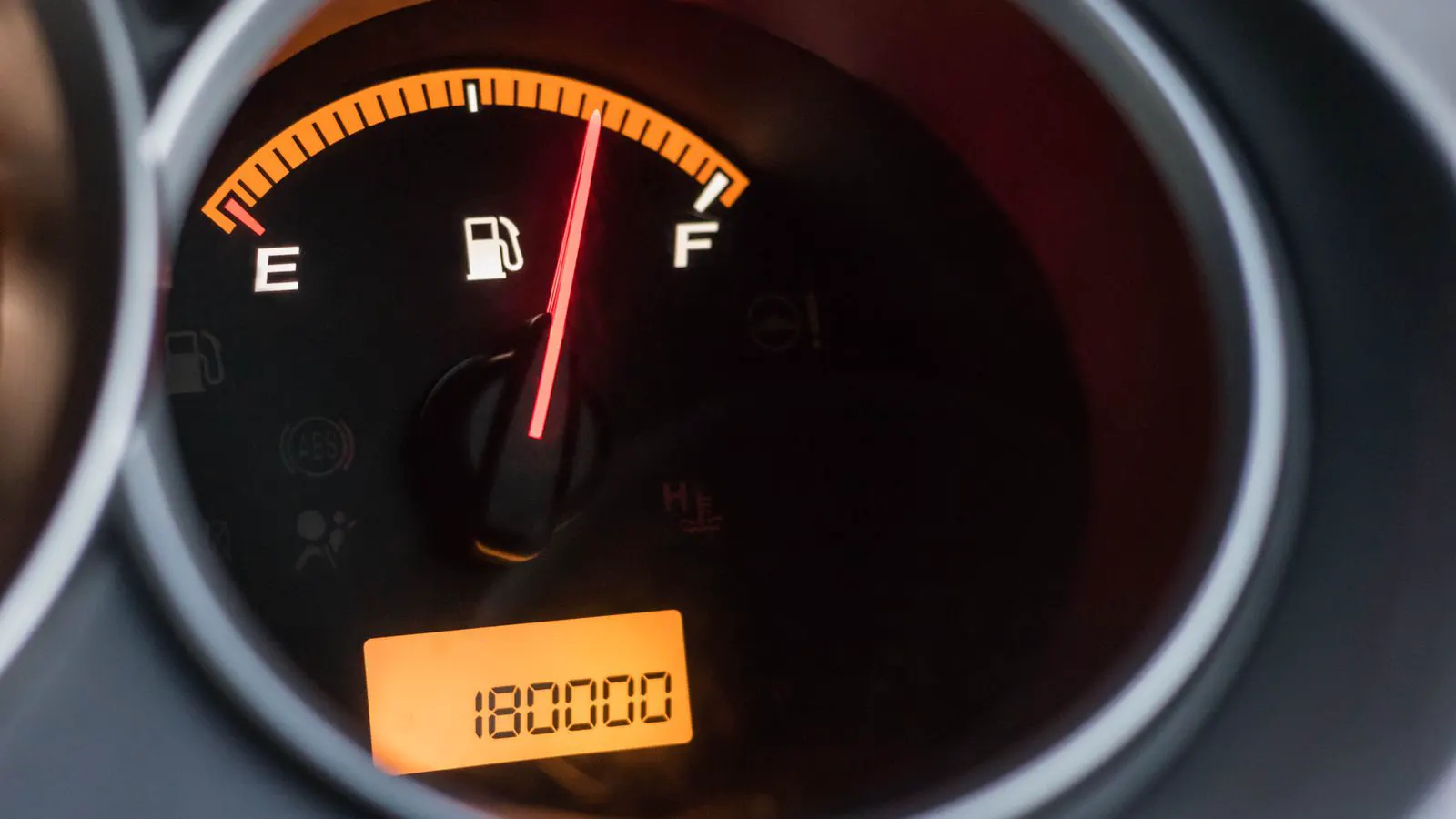
Why Your Diesel Generator Is Consuming Too Much Fuel
Excessive fuel use stems from poor load management, dirty filters, incorrect settings, and mechanical wear. Inspect fuel lines for air, check governor response, and
Practical diesel generator guidance for buyers, engineers, and operators.
Start with the stage of the sourcing process you are in.
Compare diesel engine and alternator options, covering power ratings, efficiency, and matching components for your duty cycle.
Get clear guidance on diesel fuel handling, storage, and routine maintenance tasks to keep generator sets running reliably.
Review total cost of ownership factors, operating expenses, and long term value metrics for diesel generator installations.
Excessive fuel use stems from poor load management, dirty filters, incorrect settings, and mechanical wear. Inspect fuel lines for air, check governor response, and
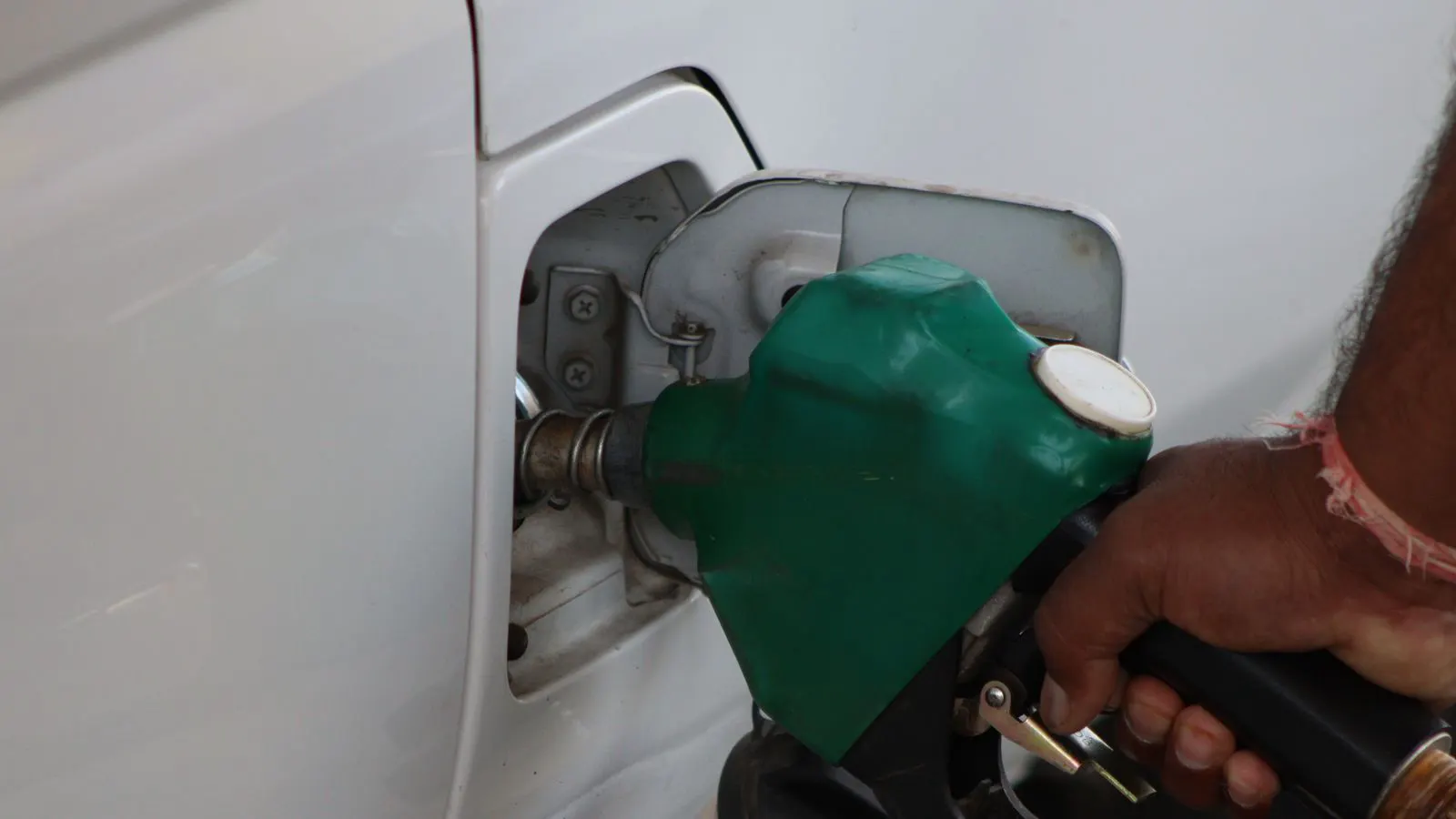
This diesel fuel storage checklist covers ten practical points for safe long-term storage. It groups fuel tank maintenance, handling, and safety checks into a copyable
This site covers the technical and commercial decisions behind diesel power generation. It focuses on how to read specifications, evaluate engine and alternator components, and determine the right unit size for a specific load profile.
The content is written for buyers who need to compare options, understand maintenance costs, and verify supplier claims. It addresses common issues like fuel quality, noise controls, and the trade-offs between prime and standby applications.
Start with the continuous load and peak load requirements. Size the unit to handle the peak load without running the engine at full capacity continuously, which affects fuel consumption and wear.
Prime generators run continuously for extended periods and are built for higher duty cycles. Standby units are designed to handle peak loads briefly and are often sized smaller to reduce cost.
Contaminants in diesel fuel can clog injectors, damage pumps, and cause engine failure. Using the correct fuel grade for the climate and engine type is a basic requirement to maintain warranty coverage.
Review their track record with similar projects, check their spare parts inventory, and verify their service network in your region. Ask for references from other buyers in your sector.
Local regulations determine which emission tiers or noise limits apply. Selecting the wrong unit can lead to fines or inability to operate in designated zones, so check local requirements before ordering.
Intervals depend on engine hours and operating conditions. Common tasks include oil changes, air filter replacements, and coolant flushes. Always follow the manufacturer's schedule for the specific engine model.